On Bro Politics
I will never forget the time my mother warned me not to refer to myself as a feminist. It was the mid-eighties, during my first or second year of university, and I was home for a visit. She did so in hushed tones, as if it was a shameful label to attach to oneself.
I was taken aback. In my mind, my mother was a feminist icon - a woman who had three kids straight out of high school, who spent the better part of my childhood and adolescence forging an identity for herself outside of her role as wife and mother. She went back to school, got a bachelors degree, joined the military, went to medical school and became a doctor. She faced incredibly harsh judgement; this was simply not a thing that was done at the time. But she persisted, survived an acrimonious divorce, went on to develop specialties in aviation medicine (which involved learning how to fly various military aircraft) and addiction medicine. How could I not become a feminist with a role model like that?
Now, I really don't blame Mom for reacting that way. There was a massive backlash against women's equality and feminism at the time, reinforced by negative narratives in popular culture and the politics of the Reagan era. And when I pointed out that she was a big reason I felt comfortable with the idea and described to her what I thought being a feminist meant to me at the time, she backed off.
But so much of today's political culture is a blast from the past, and a lot of the same tropes used to undermine feminist gains in the 80s are back from the margins and normalized by the rise of Christian Nationalists, authoritarians, and careless politicians of many stripes who play to the politics of fear, anger and uncertainty.
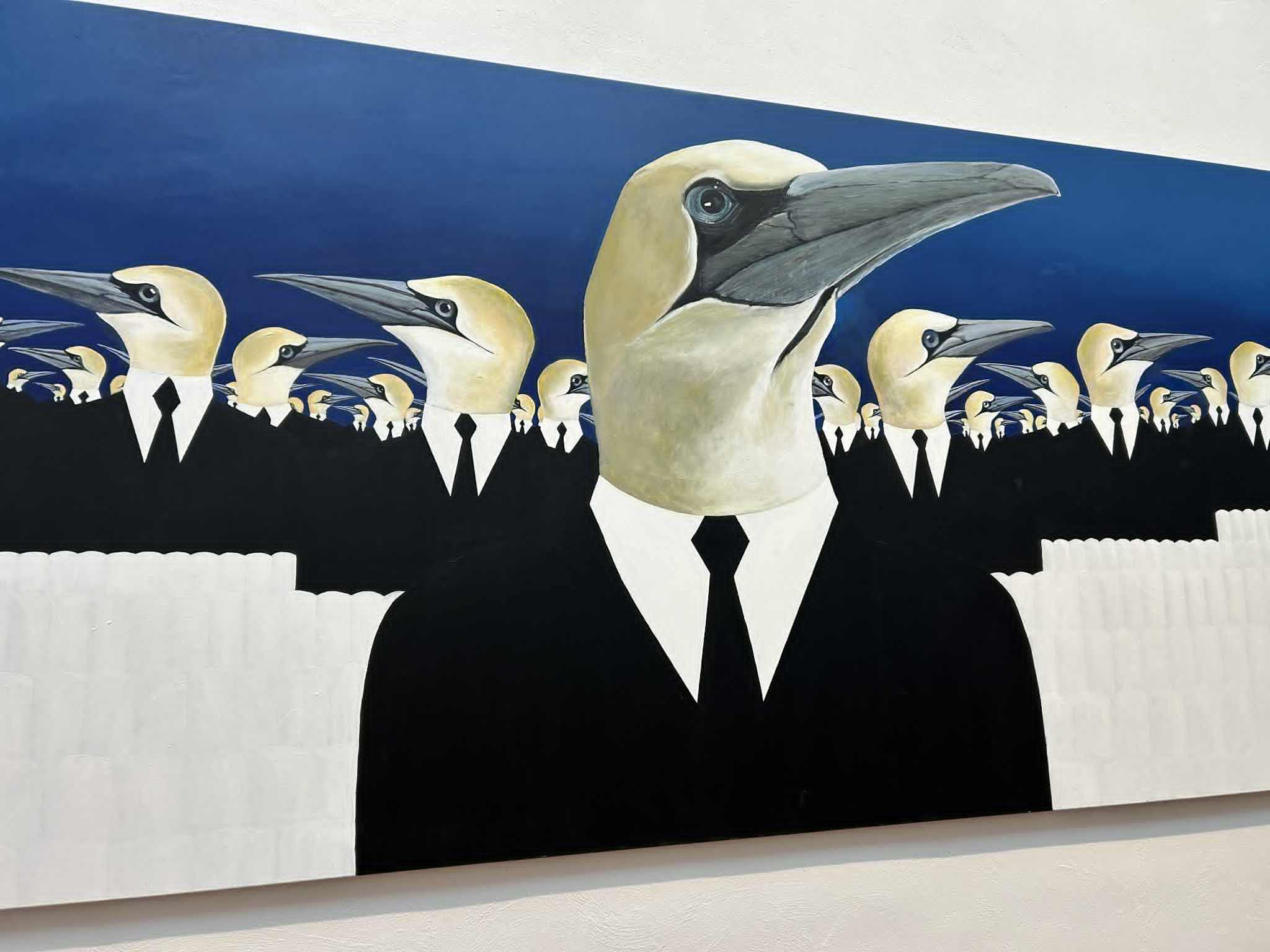
Bro politics is back, baby!
While last week's statements by Prime Minister Carney that he would not describe Canada's foreign policy as "feminist" (despite Canada signing on to this declaration at a Feminist Foreign Policy conference hosted in France a month ago) is the most recent example of bro-signaling, this return to the politics and discourse of masculinity has been building for a while. It was glaringly obvious during the election, where even the NDP lacked a substantial policy on gender equality, and the Liberals and Conservatives limited their references to crime and punishment approaches to "protecting women".
All of this went generally unchecked by the media. The Trump effect on Canadian politics saw a deliberate distancing away from any issues perceived to be "woke" or too associated with the Trudeau era. The Elbows Up hockey metaphor became central to the election narrative; voters were looking for a leader with the strength and courage to stand up to the bully south of the border. Masculine might meets masculine might. In Carney's leadership we were reassured that he would defend not just Canada's economic interests, but our values and constitution as well.
Thanks to the advocacy of a lot of feminist and equality-seeking organizations, the PM's post-election cabinet included a Minister for Women and Gender Equality (his "wartime cabinet" did not. And after tremendous pressure, a pre-budget announcement committed to some sustained funding for WAGE despite the warnings of austerity to come. All of this was welcome news.
Then the budget came along, and the government's own impact statement stated quite clearly that men would receive most of the benefits of the initiatives -especially those involving jobs. The budget's relative silence on investment in the care economy (a sector that employs 1 in 5 Canadians with sectors experiencing tremendous staffing crises while the need for care across the country keeps growing) raises many questions, and a few red flags.
Sure, one could easily explain away the rhetorical distancing from Trudeau's brand and programs like Feminist Foreign Policy. But it's more difficult when rhetoric slides into policy. When outdated economic concepts, touted in the 80s and 90s but largely disavowed and debunked in the wake of Covid-19, are suddenly touted as the only workable solutions to the current affordability crisis and the impacts of the tariff war (even though they got us into this mess in the first place). Never mind the reams of evidence that investment in gender equality and good jobs in care systems yield substantial economic returns while also lifting up our most vulnerable populations.
The failure to appoint a new ambassador for Women, Peace and Security? At 15% cut to foreign aid, and to the Canadian Human Rights Commission?
And with all of this happening in the midst of widespread rise of anti-gender and misogynist hate, the rollback of hard-won rights in countries around the world (and in some provinces at home), an epidemic of gender-based violence and femicide, and a shifting demographic that will only increase the unpaid and invisible labour of women. Consider my eyebrows raised.
Now, the response I've heard from some corners is that Carney is playing the long game. We just have to address this urgent trade and tariff situation, and then we can get to the side issues. Just trust me, bro.
Or is an index finger covering our lips and assuring us in a comforting whisper that the big boys have it all under control? Don't worry your pretty little head about it.
Bro. I came of age in the Mulroney, Reagan and Bush eras. I lived through the austerity agenda of the 90s and watched Harper double down on the cuts and policies that Chretien and Martin ushered in. We have been down this road before, and it only leads to deepened inequality. And while there is a lot to criticize about Trudeau's performative feminism and his government's lack of follow through, we did make progress over the last ten years, with plenty remaining to do.
It's shocking how precarious the things we fought for and won really are. How quickly we return to accepting a stereotypically masculine approach to politics where care and equality are somehow perceived as feminine and therefore weak. Where the marginalized are told to be patient - we'll get to their issues once the big stuff is out of the way.
I don't know what I have to offer as a solution. But I do know we can demand better from or leaders. And we must.