On rest, continued
Yesterday's post offered some reflections on rest and the difficulties I have putting my own well-being before other responsibilities. It's something I have been wrestling with a lot, and working on not just personally, but politically.
A confluence of things have happened that got me thinking more deeply about the issue of care and care work, and its intersections with gender stereotypes and gender inequalities, with the intertwined legacies of slavery and colonialism, with racism and migration and market-based approaches to collective challenges.
The pandemic was very revealing, not just because of the way women and other family caregivers were impacted by the sudden loss of school, child care and other care services, and the way that underpaid and exploited care workers were simultaneously hailed as heroes while their working conditions, worsened by a couple of decades of austerity, put their lives and the lives of their patients or clients at risk. It was, albeit briefly, a wake up call and a potential silver lining to the escalating care crisis if governments acted on the lessons of the pandemic and invested heavily in public care services and improved wages and working conditions for care workers and better access for those who depend on care.
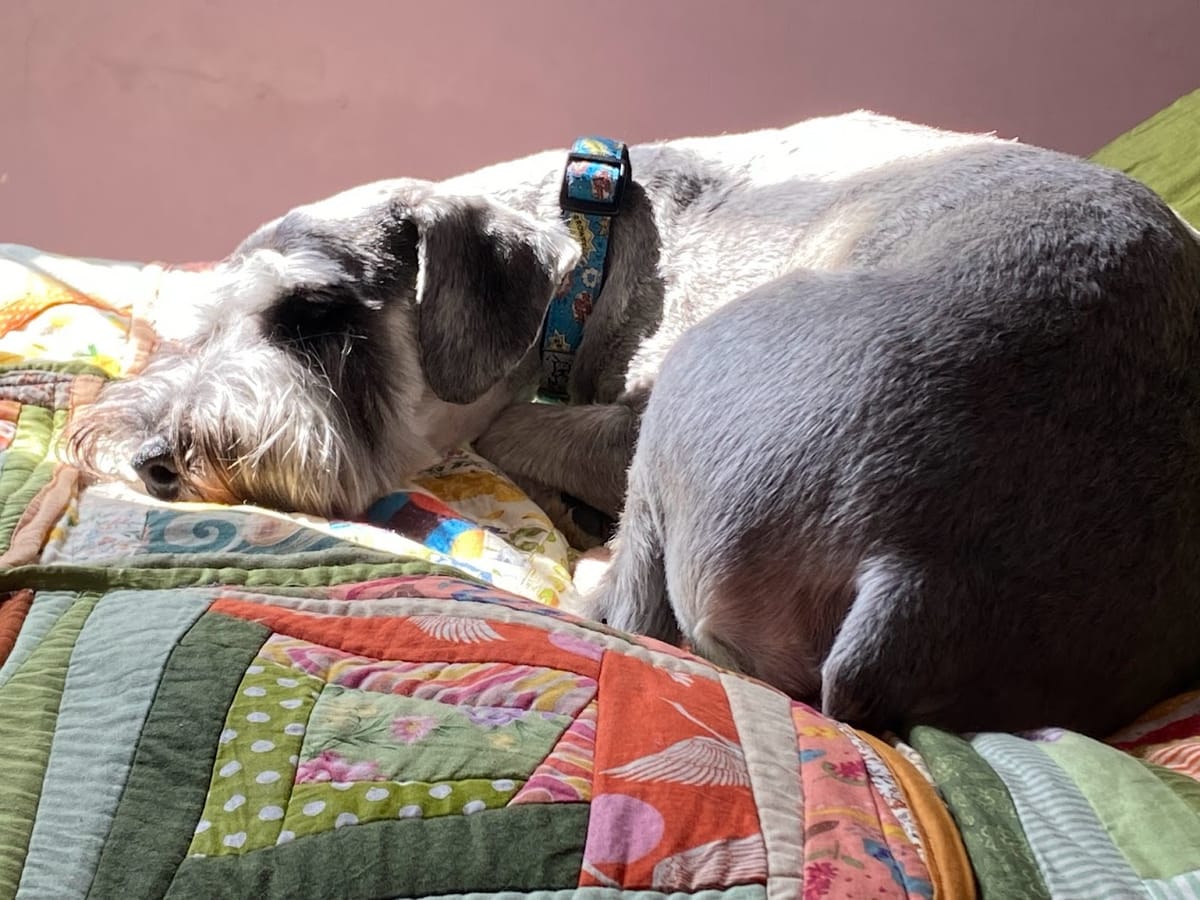
As my own job and my kids' school shifted to remote and we were suddenly a family of four (plus pooch) in a small home, and as the quarantine period extended from weeks to months, I realized how I had been using work and particularly work travel as a respite from emotional labour at home. Oops.
At the same time, I was more than aware that my position, however personally challenging, is a relatively privileged one.
On one of my post-pandemic trips to New York City, I came across an amazing installation at MOMA called Black Power Naps. This notion of rest as resistance, of sleep (or lack thereof) as a legacy of slavery perpetuated by capitalism that continues to impact Black folk was a piece of analysis that I had not appreciated adequately (hello unconscious bias). And the artists/activists behind this installation are only one example of efforts to draw attention to this - they cite a Langston Hughes poem which talks about a "dream deferred" as inspiration. Tricia Hersey has been working on her "Rest as Resistance" framework since 2016, and writes:
My rest as a Black woman in America suffering from generational exhaustion and racial trauma always was a political refusal and social justice uprising within my body. I took to rest and naps and slowing down as a way to save my life, resist the systems telling me to do more and most importantly as a remembrance to my Ancestors who had their DreamSpace stolen from them. This is about more than naps. It is not about fluffy pillows, expensive sheets, silk sleep masks or any other external, frivolous, consumerist gimmick. It is about a deep unraveling from white supremacy and capitalism. These two systems are violent and evil. History tells us this and our present living shows this. Rest pushes back and disrupts a system that views human bodies as a tool for production and labor. It is a counter narrative. (The Nap Ministry, blog post, February 21, 2022)
*note to self, pick up Hersey's book Rest as Resistance
Over the last few years I've been in the position of hearing the stories and learning about the lived realities of migrant care and domestic workers, and appreciate their efforts to raise awareness about the continued dependence of global economies on the most marginalized and exploited workers. There is amazing work happening around the world to bring forward meaningful and lasting solutions to the crisis in care and the over-reliance on the unpaid and underpaid labour of women and girls. What a gift that my work life permits me to be a part of these discussions.
The personal is political, and my own personal need to reclaim rest and recognize that self-care is about more than bubble baths, hydrating and taking brisk walks in the fresh air. It's about pushing for feminist-forward social and economic policy, like investing in public care services and for an economic approach that recognizes that economies cannot succeed if they are dependent on unpaid and exploited labour, and that our most vulnerable are at risk if we perpetuate unmet care needs by seeing care as a commodity, not an essential component of a productive and healthy society.
As we head into 2026 with a government that seems to have retreated back to the austerity-driven approach that got us into so much trouble during the pandemic, I'm looking for leaders who recognize the gender, racial, disability, colonial and class dynamics at play and who are ready to push for better.